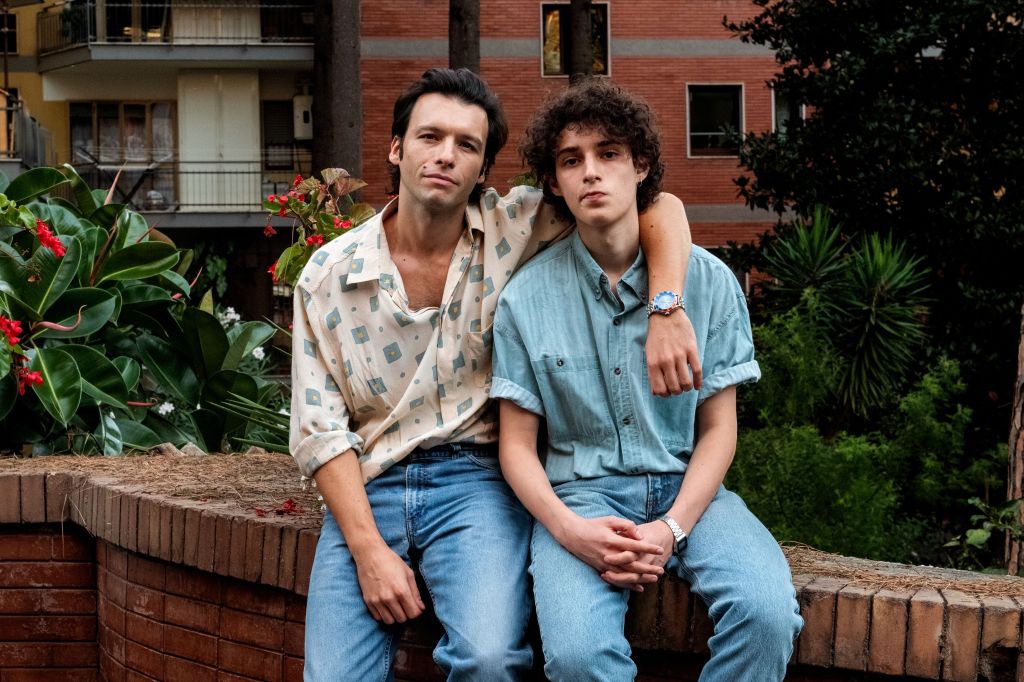
The first edition of “Italian Cinema Standouts” peers into Paolo Sorrentino’s The Hand of God (È stata la mano di Dio)

The Premise
Paolo Sorrentino’s “The Hand of God” is a 2021 semi-autobiographical film set in 1980’s Napoli, Italy. We are brought into the world of quiet, lonely, and introspective Fabietto Schisa (played by Filippo Scotti), as he navigates through life as a teenager and tries to push forward after a life-altering accident.
Some background knowledge:
The Hand of God is filled with Neapolitan culture and history, therefore there are some people and historic moments you should become familiar with to fully grasp the importance of their inclusion.
- Diego Maradona
- The Little Monk
Where does Maradona Come Into Play?
As some may have noted, “The Hand of God” is a reference to Maradona’s infamous handball goal in the 1986 World Cup. The goal happened in Argentina’s game against England in the Quarter Finals. At this time, Maradona was already three years into his legendary run with Napoli at the club level. Maradona was and is idolized in Naples, as he came to “Gli Azzuri” when they needed him most, and helped bring them glory. In turn, the citizens of Napoli gathered around their screens, cheering on Argentina (as Italy had been eliminated in the Round of 16), wishing their beloved Diego the best.
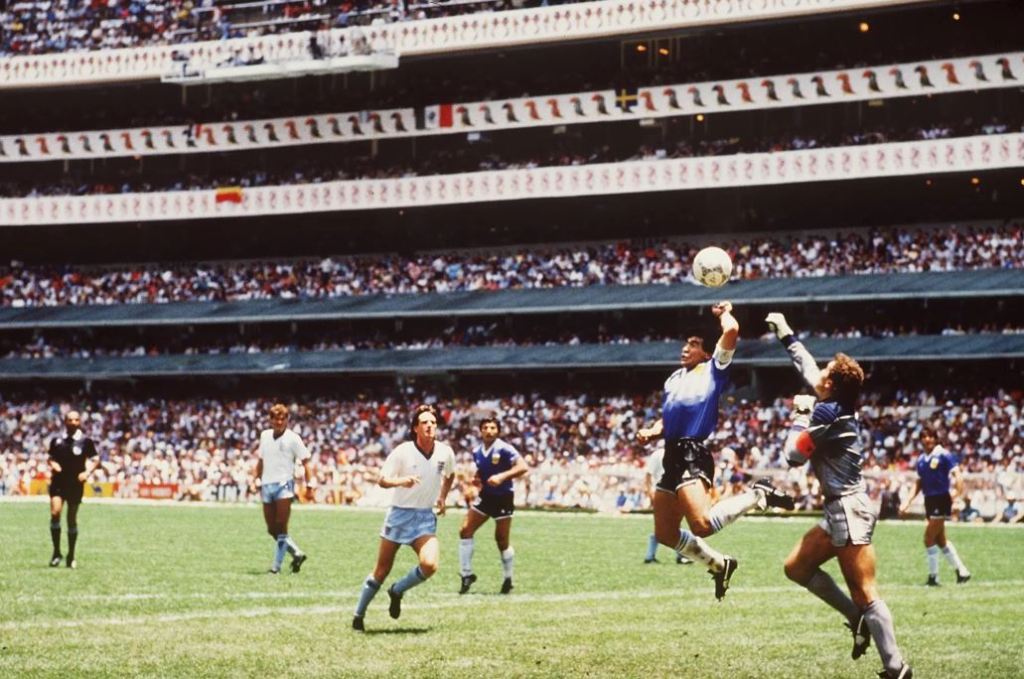
We see Maradona’s impact on Fabietto and his family as we witness their reaction to “El Pibe de Oro” bringing Napoli’s name back into football headlines. The spark of hope he puts into the beautiful city of Naples is a truly influential point in its history and a serious turning point in Fabietto’s life.
What And Who Is The Little Monk?
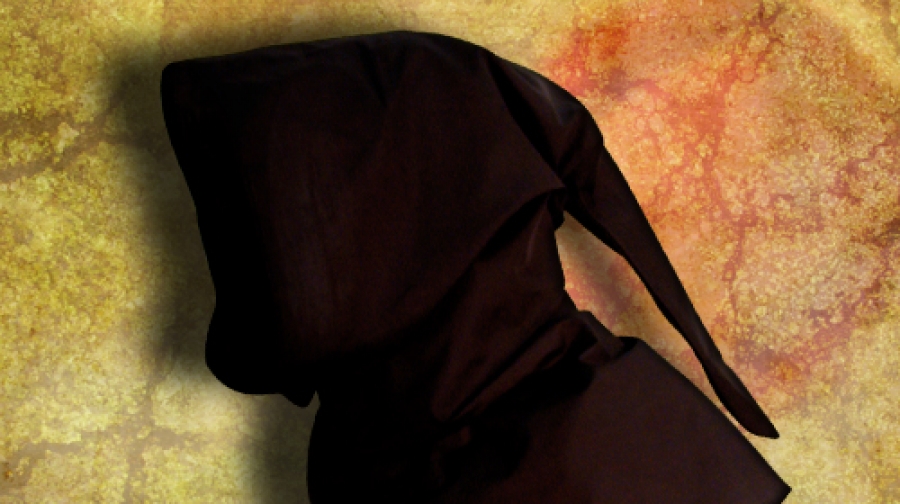
The Little Monk is a small, yet very important part of the movie. Also known as the Monaciello, The Little Monk is a sprite from Neapolitan folklore, known for bringing good fortune to those in need. The monk is known for being very mischievous but always has good intentions. The movie uses the Monaciello not to give physical fortune, but instead a type of psychological fortune, as he brings characters together, as well as symbolizes new beginnings.
A Light Review: (Without Spoilers)
The Hand of God has quickly become one of my favorite films and does a fantastic job of transporting the viewers into this era of Italy. Throughout the film, there are many moments when you feel you aren’t just watching the movie, but instead, you are part of it. The moments of ambiance and stillness are reminiscent of Luca Guadagnino’s Call Me By Your Name, as you feel Fabietto’s loneliness, curiosity, happiness, and at moments, pain. The cinematography is excellent and the pastel colors in the first section of the movie bring on a dream-like state, representing the innocence of Fabietto’s life before the accident. They are later traded for more dark, isolating shades as his new reality becomes more apparent. The unique use of The Little Monk is a great addition, as it fuses folkelore with reality, further showcasing Napoli’s rich culture. Each character whether their role is large or small, has a distinct personality, making them very memorable. This can be seen through Fabietto’s Maradona-crazed uncle Alfredo or the easily provoked Signora Gentile. The Hand of God truly encaptures life’s passion, hope, happiness, and heartbreak, making it a standout film deserving of all its praise.
 GenerationsItalia
Leave a comment